Healthcare is complex. My caregiving experience became the starting point for exploring how different forms of knowledge are recognized, measured, and used across the health system.
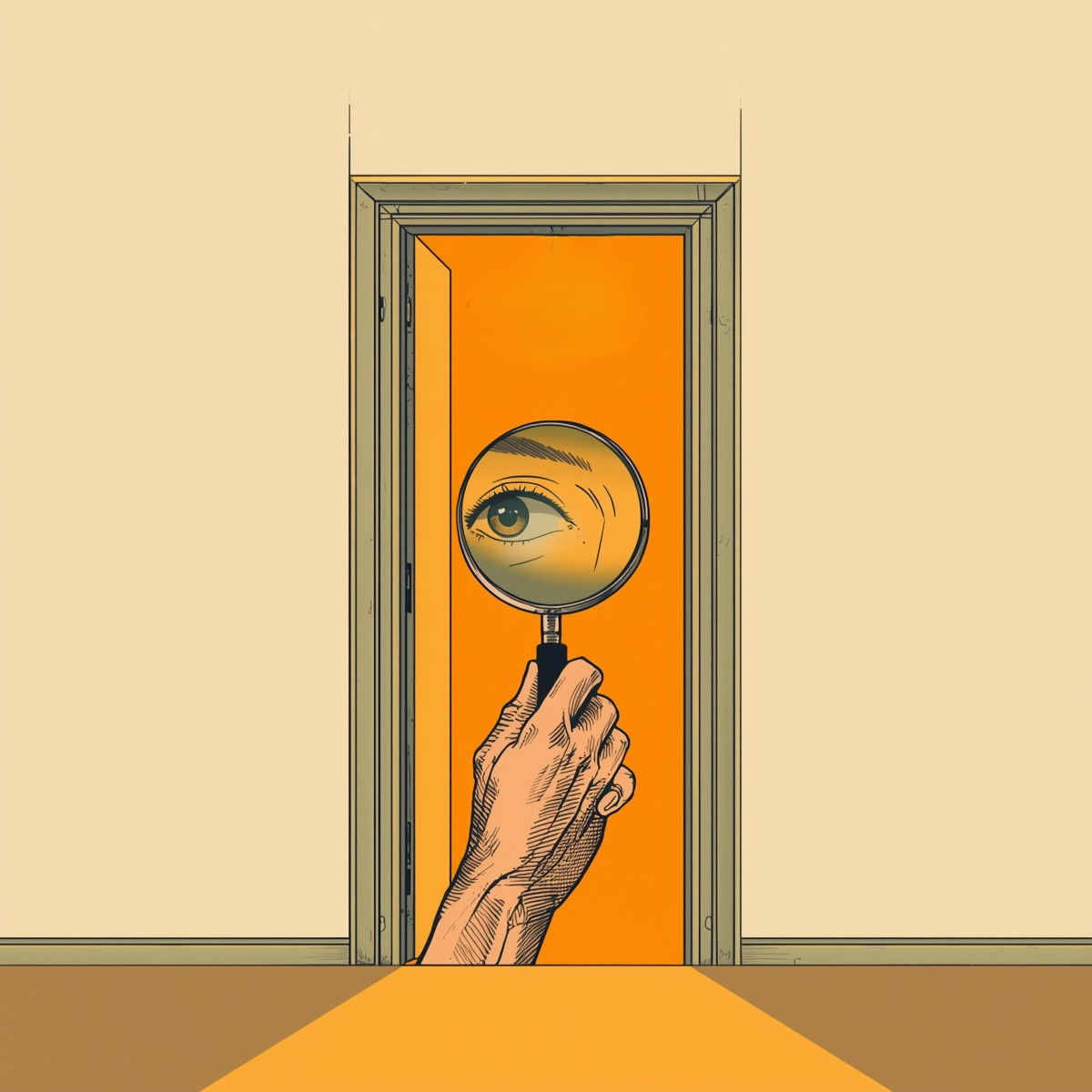
The questions we ask determine
the evidence we collect.
My work brings together frameworks, tools, and resources that explore how caregiver knowledge becomes evidence that can inform research, quality improvement, engagement, and healthcare decision-making.
Healthcare is complex. My caregiving experience became the starting point for exploring how different forms of knowledge are recognized, measured, and used across the health system.
With that curiosity, I started building.
I built Caregiver Metrics so caregivers could have what tracking gave me: clarity about what they were carrying, and language to describe it.
The platform helps caregivers document their experience over time, making patterns visible in ways that can support reflection, conversations with healthcare providers, and self-advocacy. It is currently being tested with caregivers.
Four years of tracking became the foundation for many of the frameworks, tools, and questions explored throughout this site.
As the work developed, I began exploring fields such as implementation science and knowledge translation to better understand how these ideas connected to existing approaches in healthcare. They provided language that helped me communicate the work more effectively, while the questions themselves continued to be shaped by caregiving, governance, and ongoing collaboration.
These are not theoretical positions. They emerged from years of tracking and from observing how information moves through healthcare systems where it is not always consistently recognized, structured, or acted on.
They are an attempt to turn those observations into structures that can be used across research, engagement, and quality improvement.
Cognitive and Emotional Load in Caregiving
This framework separates the load inherent to caregiving from the load created by system failure. It distinguishes what a caregiver carries because the work is genuinely hard from what they carry because the system is failing them. Cognitive and emotional. Both measurable. This framework is proprietary to Caregiver Metrics.
Caregiver Metrics · MacInroy, 2025 · ProprietaryThree-Layer Caregiver Accountability Gap
Accountability disappears across three layers simultaneously: the family and community that assumes one person can manage everything, the healthcare system that offloads professional-level work without acknowledgment, and the caregiver who has no baseline to recognize when what they are carrying has become unsustainable. All three layers reinforce each other. Addressing only one always fails.
Caregiver Metrics · MacInroy, 2025Two papers in progress.
The Guilt Gap: Structural Guilt, Caregiver Labour, and What Patient Engagement Tools Fail to Measure
The standard tools for measuring caregiver guilt track self-assessed failure across five categories. None of them capture what it is like to be unable to tell whether a poor outcome was your responsibility or a consequence of system failure. This paper argues that the guilt isn't irrational, it's the predictable result of a caregiver being held responsible for outcomes they can't fully control, in a system they can't fully see, with no data to tell them where their responsibility actually ends.
Draft complete · Working paper, 2026Volunteer by Design: A Threshold Framework for Recognizing Expert Caregiver Labour in Health System Engagement
Ontario's patient engagement guidance invites caregivers to contribute. It does not address what happens to what they contribute, or when that contribution crosses from participation into consultation. This paper builds a five-indicator threshold for that line and documents the policy gap that has persisted because the line has never been drawn.
Draft in progress · Working paper, 2026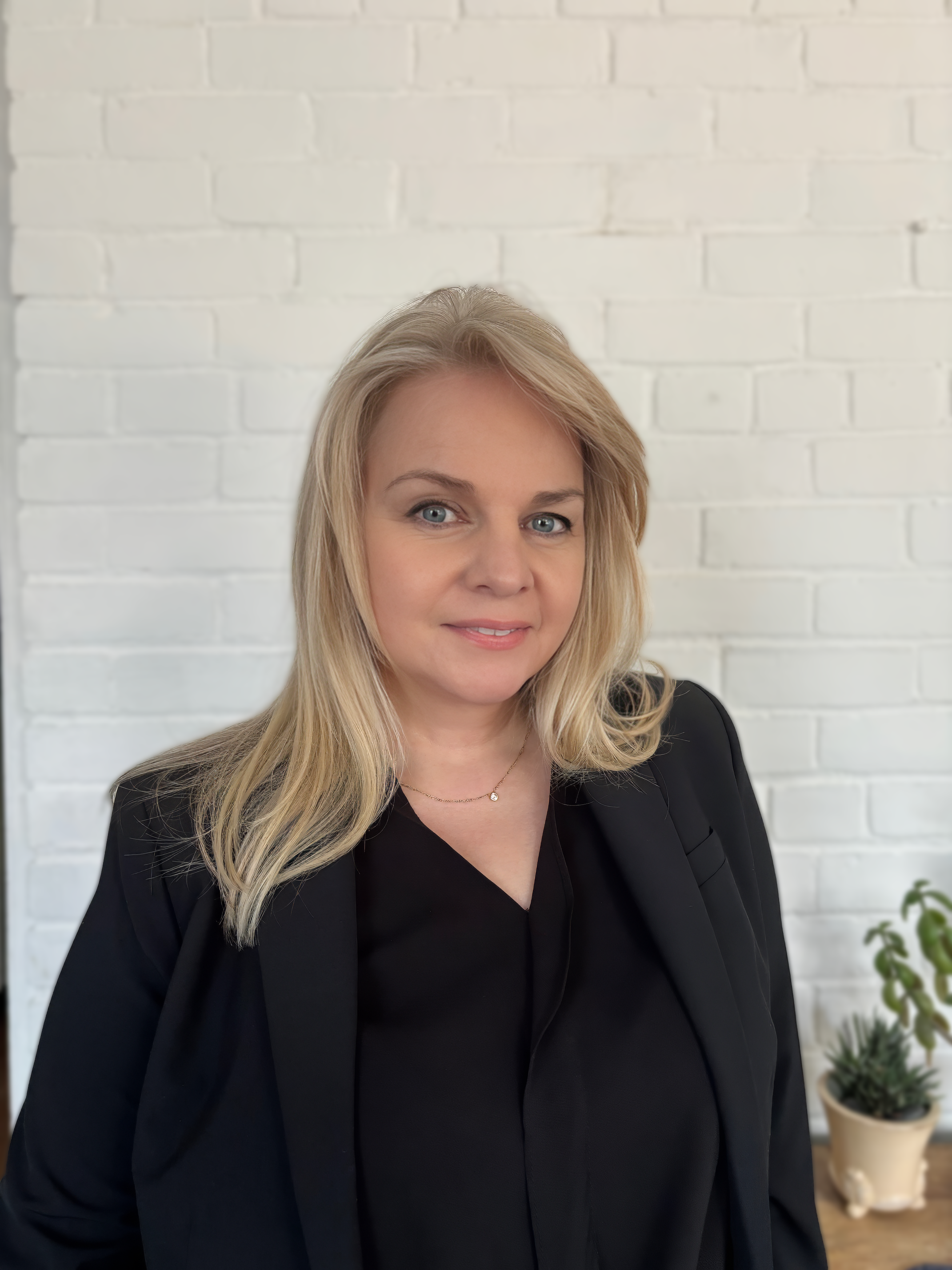
I call Toronto's Greektown home, where I'm raising my 12-year-old son. My background spans project management and technical direction across software and VFX animation.
I spent over a decade implementing DAM and workflow systems in complex data environments, clients included aerospace, banking, and retail.
After twenty years navigating healthcare systems as a family caregiver, I became deeply interested in system inefficiencies and their real-world impact on families. I built measurement tools to help caregivers articulate what overwhelm actually looks like, and to give them the language to advocate for themselves, with both their healthcare teams and the people around them.
That instinct led me to a Fundamentals of Implementation Science program at McGill in 2026, learning the language to translate lived experience and system observation into something researchers and healthcare leaders can use.
Different audiences need different ways of understanding the same evidence.
My current work explores how caregiver knowledge can be recognized, measured, translated, and applied to support research, engagement, quality improvement, and healthcare decision-making.
If this work is relevant to yours, I would like to hear from you →